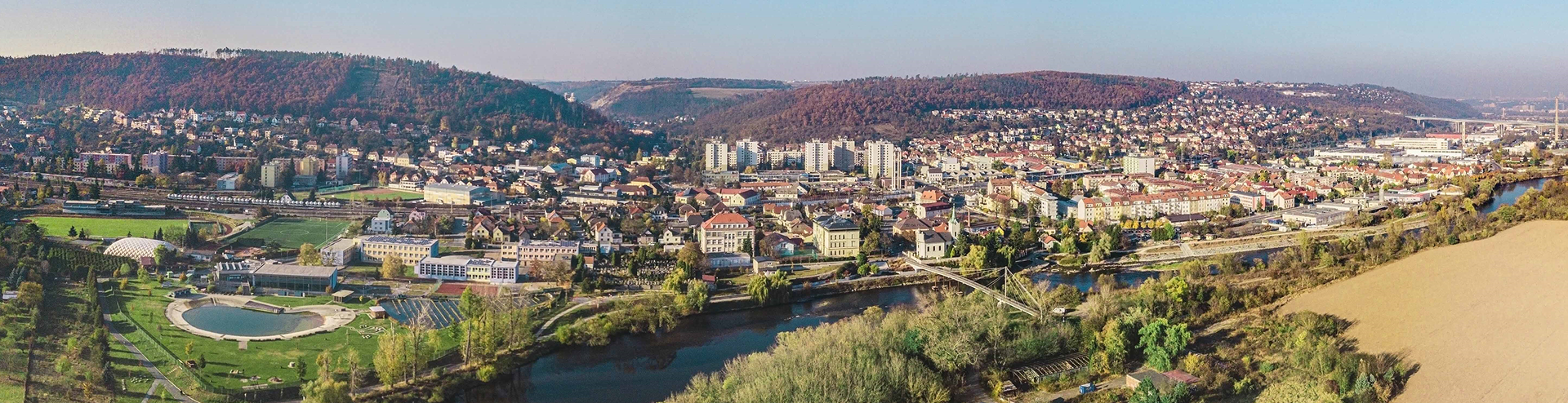
9. Černé rokle National Nature Monument
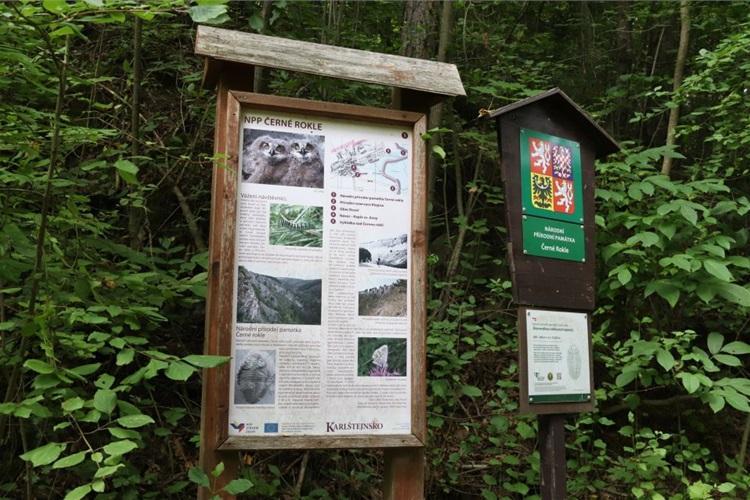
Černé rokle is a National Nature Monument, designated in 1970. It forms part of the Český kras Protected Landscape Area. The site was primarily established to protect a particularly well-exposed geological boundary between the Silurian and Lower Devonian periods, marking the transition between the Lochkovian and Pragian stages.
Černé rokle is also home to a unique and diverse community of insects and other invertebrates. The area provides important habitats for a wide range of species. In some parts of the site, valuable xerothermic plant communities can also be found. These heat- and drought-loving communities have retained their distinctive character despite natural changes in vegetation over time.
Human activity has also left its mark on the landscape. Quarrying was particularly intensive from the late 18th century to the first half of the 19th century and was carried out mainly by hand in open quarries. It is estimated that quarrying significantly affected up to half of the site. The limestone blocks extracted here were used to build and repair pavements in Prague. The dark-coloured limestone was especially valued because it is unique in Bohemia and was also used for mosaic paving.
The nearby cement plant has also had a significant impact on the area, mainly through noise, dust and emissions. Today, these effects have been greatly reduced thanks to modern filtration systems and other technologies required by environmental legislation.
In the past, the area was also used for grazing. Grazing played an important role in shaping the diversity of plant and animal species found here. This traditional land use came to an end after the Second World War.